When discussing body contouring treatments in a salon, two terms often get confused: compression massage and pressotherapy. They are not the same. We'll explain the differences, how a session is structured, and what each brings to a professional center.
What is compression massage?
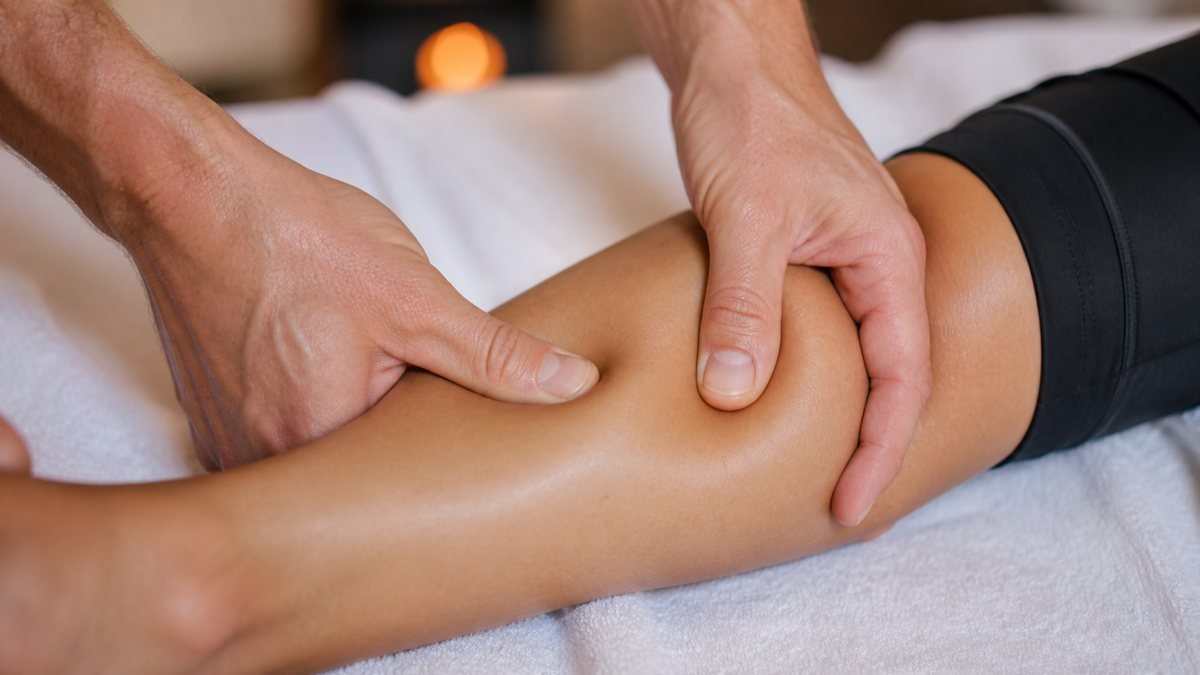
The compression massage It is a mechanical technique that applies pressure and traction to the tissue using heads or rollers that move across the treatment area. It constantly replicates, without strain on the practitioner, the intense maneuvers a massage therapist would perform with their hands.
Its value lies in the combination of two actions: the pressurewhich mobilizes the tissue in depth, and the displacement, who directs that work following the drainage pathways.
How does it differ from pressotherapy?
The confusion is common, but the difference is clear:
- The pressotherapy It works with inflatable boots or belts that apply air pressure in sequences. It's a passive, comfortable technique, highly focused on the sensation of light legs and lymphatic drainage.
- The compression massage It is an active and targeted technique: the head travels over the area with adjustable pressure, allowing you to focus on specific points and work on the contour in a localized way.
They don't compete: they fulfill different needs. But if the goal is remodel And it's not just about drainage; compression massage offers a level of control that air pressure alone cannot achieve. Many centers combine them: pressotherapy for the drainage phase and compression massage for contouring.
What it brings to the cabin
- Intensity without wear: It allows for deep sessions without punishing the professional's joints, one of the major problems of intensive manual massage.
- Constancy: The pressure is always the same, so the protocol is reproducible session after session.
- Facial and body work: With the appropriate heads, it adapts to both the body contour and the work on the face, neck and décolleté.
- Customer comfort: It is a painless and pleasant technique, easy to fit into session protocols.
In which areas is work being done?
Compressive massage is applied primarily to areas where contour and retention make the biggest difference:
- Legs and thighs: the most sought-after area, both for its contour and for its feeling of lightness.
- Buttocks and saddlebags: where localized and targeted work adds more value.
- Abdomen and flanks: with adapted maneuvers and more contained pressure.
- Arms: area commonly used in firming protocols.
- Face, neck and décolletage: with specific heads and much gentler pressure.
What is a session like?
The usual structure of a body contouring session is as follows:
- Area assessment and definition of the session objective.
- Skin preparation with the right product to facilitate sliding.
- Opening work: initial maneuvers to prepare the tissue and activate circulation.
- Local work: greater pressure on the specific areas to be remodeled.
- Closing drain: guided tours following drainage paths.
As with any in-cabin technique, consistency is key: results are built over a cycle of sessions, not in a single visit.
It does not replace manual massage, it complements it.
It's important to be clear: compression massage is not a substitute for a professional's hands. It provides a sustained intensity that the hand cannot maintain throughout an entire session, but the Tissue reading, assessment and judgment They still belong to the professional.
The best protocols combine both: technology takes over the intensive and repetitive work, and the hand is reserved for precision maneuvers and finishing.
Combining it with diathermy: the next step
Compressive massage gains power when combined with radiofrequency diathermyWhile diathermy prepares the tissue by raising its temperature from within, massage mobilizes and directs it. Applied simultaneously, each enhances the other within the same session.
Frequently Asked Questions
Is it painful? No. The pressure is adjustable, and the sensation should always be one of deep but comfortable work. If it's uncomfortable, the intensity is incorrectly adjusted.
Is it the same as lymphatic drainage? No. Manual lymphatic drainage is a gentle and very specific technique. Compression massage uses much more pressure and primarily aims to reshape the contours, although it does include drainage maneuvers.
How often is a session done? The usual approach is to plan a cycle with regular sessions followed by spaced maintenance, adjusting the frequency to each client and objective.
Can it be applied to the face? Yes, with specific heads and much gentler pressure than in body work.
What to consider when choosing a team
Before incorporating compression massage into your center, consider the following:
- Adjustable pressure: It's the key parameter. Being able to adjust it precisely is what allows you to switch from intense body work to gentle facial treatments with the same equipment.
- Variety of printheads: Each area requires a specific size and shape. Equipment with few accessories severely limits the protocols.
- Ergonomics: The professional spends hours with the equipment in hand. Weight and balance matter more than it seems.
- Possibility of combining technologies: Equipment that combines compression massage and diathermy allows for more complete protocols without doubling the investment.
- Technical service and training: essential to amortize the equipment and get the most out of it from the first month.
RÖS'S teams
The Roll 2.0 It is our compressive massage device for facial and body contouring, with adjustable pressure and specific heads for each area. Roll Systemic It goes a step further and combines compressive massage with systemic diathermy in the same treatment.
If you are considering incorporating body contouring services into your center, our team can advise you on the most suitable technology and training.